
The Importance of Safe Ear Wax Removal

The Importance of Safe Ear Wax Removal
Ear wax, also known as cerumen , is a natural substance produced by your body to protect your ears. It traps dirt, dust, and other particles, preventing them from reaching your eardrum. While ear wax is essential for ear health, too much of it can lead to discomfort, hearing issues, or even infections. Knowing how to safely remove ear wax is key to maintaining healthy ears.
Why Does Ear Wax Build Up?
- Overproduction: Some people naturally produce more ear wax than others.
- Narrow Ear Canals: Smaller or curved ear canals can make it harder for wax to exit naturally.
- Use of Earbuds or Hearing Aids: These can push wax deeper into the ear, causing blockages.
- Improper Cleaning: Using cotton swabs often pushes wax further in rather than removing it.
Signs of Ear Wax Buildup
If you’re experiencing any of the following, you might have excess ear wax:
- Muffled hearing
- A feeling of fullness in the ear
- Earache or discomfort
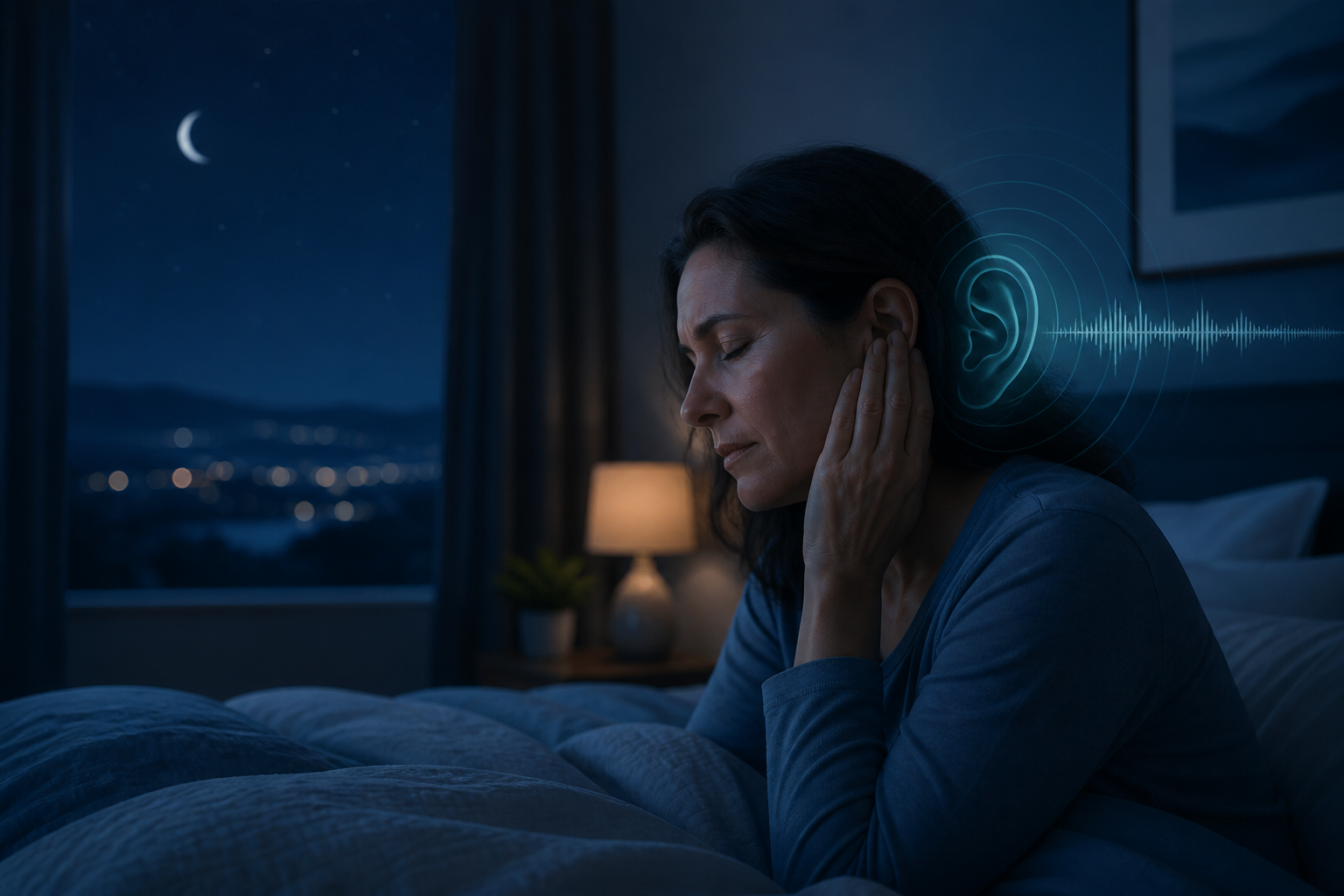
- Ringing in the ears (tinnitus)
- Dizziness
If these symptoms persist, it’s best to consult a healthcare professional.
How to Safely Remove Ear Wax
Avoid using cotton swabs, hairpins, or other objects to clean your ears. These can damage your ear canal or eardrum. Instead, try these safe methods:
Over-the-Counter Ear Drops
Ear drops soften the wax, making it easier to remove naturally. Look for drops containing hydrogen peroxide or saline.
Warm Water Rinse
Using a bulb syringe, gently flush your ear with warm water. Tilt your head to let the water drain out, along with the softened wax.
Visit a Professional
If home remedies don’t work, see a doctor or audiologist. They can safely remove the wax using specialized tools or irrigation techniques.
Preventing Ear Wax Buildup
- Avoid inserting objects into your ears.
- Clean the outer ear with a damp cloth.
- Use ear drops occasionally to prevent hard wax buildup.
- If you use earbuds or hearing aids, clean them regularly.
When to See a Doctor
If you experience severe pain, hearing loss, or suspect an ear infection, seek medical attention immediately. Never attempt to remove ear wax if you have a perforated eardrum or a history of ear surgery.
Final Thoughts
Ear wax is a natural part of ear health, but too much of it can cause problems. By following safe removal methods and practicing good ear hygiene, you can keep your ears healthy and functioning well. When in doubt, always consult a professional to avoid complications.
Keep reading
Explore more hearing health insights and expert advice


Ready for better hearing?
Schedule your comprehensive hearing test with Kabel Hearing today and discover your path to clearer sound.
.webp)